Effective Stress Relief Methods: Your Guide to Managing Stress
- Dec 23, 2025
- 4 min read
Updated: Jan 7
Stress is a part of life, but it doesn’t have to control you. You’ve probably felt it creeping in during a tough day, a big deadline, or when life just piles on. The good news? You can take charge. You can find ways to ease that tension and reclaim your calm. This post is packed with practical, honest advice to help you do just that. Ready to dive in?
Discovering Stress Relief Methods That Work for You
Stress relief isn’t one-size-fits-all. What works for one person might not work for another. The key is to explore different methods and find what fits your lifestyle and personality. Here are some proven stress relief methods that you can start using today:
Physical activity: Moving your body releases endorphins, your natural mood boosters. Whether it’s a brisk walk in a Toronto park or a yoga session in your living room, get moving.
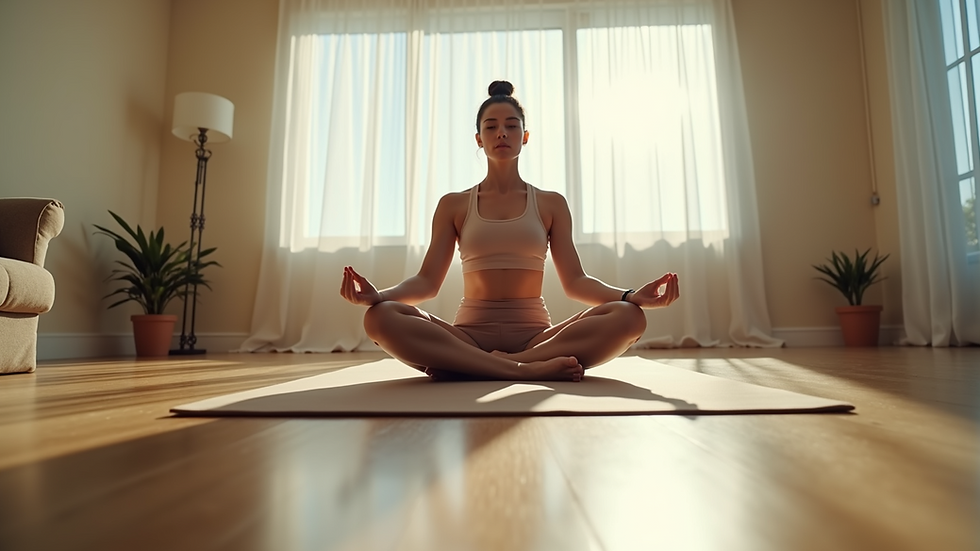
Mindfulness and meditation: These practices help you stay present and calm your racing thoughts. Even five minutes a day can make a difference.
Deep breathing exercises: Simple but powerful. Slow, deep breaths can lower your heart rate and reduce anxiety.
Creative outlets: Painting, writing, or playing music can be a great way to express and release stress.
Social connection: Talking with friends or family can provide support and perspective.
Try mixing and matching these methods. Notice how your body and mind respond. The goal is to build a toolkit of strategies you can rely on when stress hits.
How to Reduce Mental Stress?
Mental stress can feel overwhelming, but you have tools to tackle it head-on. Here’s how to reduce mental stress effectively:
Identify your stressors: What’s really bothering you? Pinpointing the source helps you address it directly.
Set boundaries: Learn to say no. Overcommitting drains your energy and increases stress.
Break tasks into smaller steps: Big projects can paralyze you. Divide them into manageable chunks and celebrate small wins.
Practice gratitude: Focusing on what’s good in your life shifts your mindset away from worry.
Limit screen time and news consumption: Constant exposure to negative news can heighten anxiety. Take breaks and choose your media wisely.
Seek professional support if needed: Sometimes, talking to a counselor or coach can provide clarity and relief.
Remember, mental stress is not a sign of weakness. It’s a signal that you need to care for yourself differently.
Building Resilience Through Lifestyle Changes
Stress relief methods are more effective when supported by a healthy lifestyle. Here’s what you can do to build resilience:
Prioritize sleep: Aim for 7-9 hours. Sleep restores your body and mind.
Eat balanced meals: Nutritious food fuels your brain and stabilizes your mood.
Stay hydrated: Dehydration can worsen stress symptoms.
Limit caffeine and alcohol: Both can increase anxiety and disrupt sleep.
Create a daily routine: Structure brings predictability and reduces stress.
Small changes add up. You don’t have to overhaul your life overnight. Start with one habit and build from there.

Using stress management strategies to Take Control
You might be wondering how to put all this into practice consistently. That’s where support systems come in. Platforms like Untapped 60, along with guidance from Mike and Jarrett, offer courses and resources designed to help you master stress relief methods and unlock your potential.
These aren’t quick fixes or gimmicks. They’re tools to help you build lasting strength and clarity. When you commit to learning and applying these strategies, you’re investing in a better version of yourself.
Keep Moving Forward: Your Stress Relief Journey
Stress will always be part of life, but it doesn’t have to hold you back. You’ve got the power to manage it, to find peace amid chaos. Use these stress relief methods as your foundation. Keep exploring, keep practicing, and don’t hesitate to reach out for support when you need it.
Remember, this journey is about progress, not perfection. Every step you take toward managing stress is a step toward a fuller, more vibrant life. You’re not alone, and you’re capable of more than you think.
Take a deep breath. Now, go make your day a little lighter.
Embracing Change: The Path to Personal Growth
Change is often daunting. It can feel like you're standing at the edge of a cliff, unsure of what lies ahead. But embracing change is crucial for personal growth. It’s where you discover your true potential.
The Importance of Adaptability
Adaptability is key. Life throws curveballs, and your ability to adjust can make all the difference. When you learn to adapt, you become more resilient. You bounce back faster from setbacks. This adaptability can be cultivated through mindfulness practices, which help you stay grounded in the present moment.
Setting Realistic Goals
Setting realistic goals is essential. Break your larger aspirations into smaller, achievable steps. This approach not only makes your goals feel more attainable but also provides you with a sense of accomplishment along the way. Celebrate these small victories; they build momentum.
Finding Your Support Network
Surround yourself with a supportive network. Friends, family, or mentors can provide encouragement and guidance. Don’t hesitate to lean on them during tough times. Sharing your struggles can lighten the load and offer new perspectives.
The Power of Reflection
Take time to reflect on your journey. What have you learned? What challenges have you overcome? Reflection fosters self-awareness and helps you recognize your growth. Journaling can be a powerful tool for this. Write down your thoughts, feelings, and experiences. It’s a great way to process emotions and track your progress.
Conclusion: Your Journey Awaits
Your journey toward stress relief and personal growth is just beginning. Embrace the challenges, celebrate the victories, and remember that you have the tools to succeed. With each step, you’re not just managing stress; you’re building a life filled with purpose and strength.
So, take that first step today. You’ve got this!


Comments